From Stress to Success: How AI Reduces Pressure for Teachers and Students — Insights by Karina Hayat

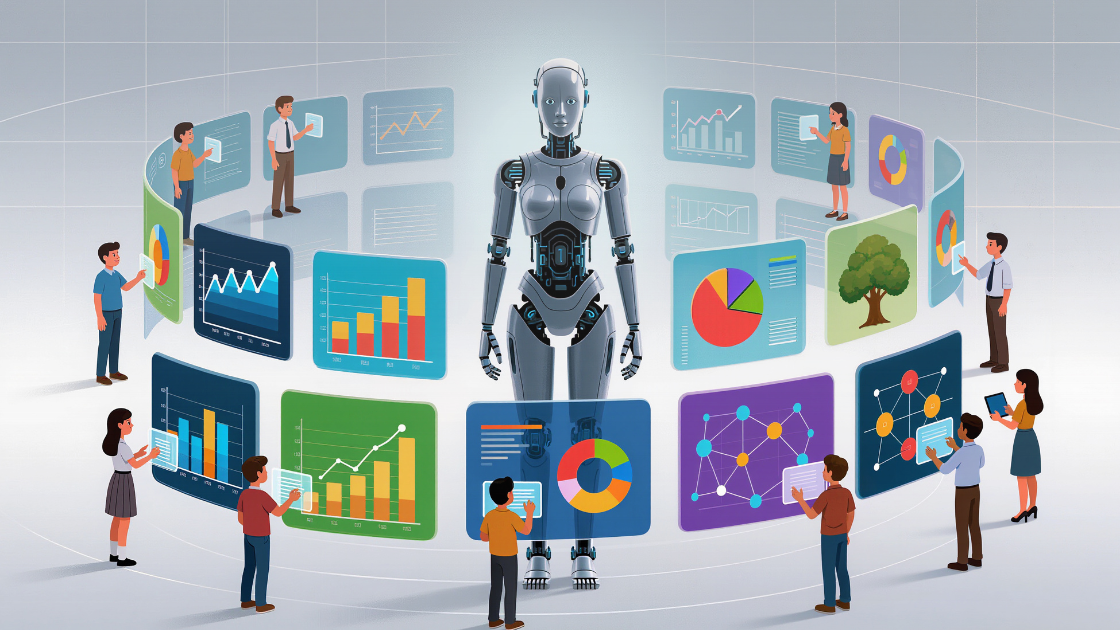
Education is entering its most transformative era since the invention of the personal computer. Artificial intelligence is reshaping how students learn, how teachers teach, and how schools operate. But this shift is not just about adding technology into classrooms — it’s about reinventing the entire learning experience for a new generation that will grow up with AI as a natural part of daily life. The next generation will not simply use AI; they will learn with it, build through it, and grow alongside it. Their classrooms, assignments, assessments, and skill development will look dramatically different from what we see today. Here’s what this transformation will mean for education systems worldwide.
Hyper-Personalized Learning for Every Student
One of the biggest challenges in traditional education is the one-size-fits-all model. Students learn at different speeds, have different strengths, and need different types of support — yet most classrooms follow a uniform curriculum. AI solves this by delivering hyper-personalized learning experiences. Intelligent systems can analyze how each student learns, where they struggle, what motivates them, and what skills they need next. Instead of adjusting to the pace of the classroom, the classroom adjusts to the pace of the student. AI-powered lesson plans adapt in real time; exercises increase or decrease in difficulty; explanations shift based on how a student understands a topic; and assessments happen continuously without pressure. This level of personalization ensures that no student is left behind — and gifted learners are never held back.
AI Tutors Available 24/7
Imagine every student having access to a patient, knowledgeable tutor available at any hour. AI tutors make this a reality. These systems can explain complex concepts in multiple ways, offer step-by-step solutions, answer questions instantly, and provide interactive exercises tailored to the individual. Whether a student is reviewing homework at night, revising for exams, or exploring a new topic out of curiosity, AI tutors provide reliable support that strengthens understanding. For teachers, this means students come to class better prepared and more confident. For parents, it reduces the stress of having to fill in learning gaps they may not fully understand themselves. The result is a generation of learners who grow up with continuous academic support.
Teachers Will Evolve Into Learning Architects
AI is not replacing teachers — it is transforming their role. Instead of spending hours grading papers, preparing worksheets, managing administrative tasks, or trying to provide one-on-one attention to dozens of students, teachers will focus on higher-level responsibilities. They will spend more time mentoring students, designing creative learning experiences, guiding projects, and addressing emotional and social needs. AI will handle repetitive tasks such as grading, attendance, feedback on assignments, and even identifying learning gaps. Teachers become facilitators of curiosity, creativity, and critical thinking. Their impact will deepen, not diminish.
Classrooms Will Become Immersive Learning Environments
The next generation of classrooms will combine AI with immersive technologies like augmented reality (AR), virtual reality (VR), and interactive simulations. Instead of reading about the solar system, students will explore planets through immersive experiences. Instead of memorizing historical events, they will virtually walk through ancient civilizations. Instead of solving equations on paper alone, they may use AI-driven visual tools that bring math and science concepts to life. This shift from passive to experiential learning makes education more engaging, enjoyable, and effective. It also caters to different learning styles — visual, auditory, kinesthetic — with equal depth.
Smarter Assessments and Continuous Feedback
Exams will evolve from high-pressure events into ongoing learning opportunities. AI-driven assessments can evaluate students continuously, tracking growth over time instead of relying on a single day’s performance. These assessments can: analyze how a student solves a problem; identify errors in real time; detect knowledge gaps instantly; recommend personalized learning modules; and generate detailed progress reports for teachers and parents. This reduces stress for students and makes learning more meaningful. Teachers gain deeper insight into each child’s abilities, allowing them to intervene earlier and more effectively.
AI-Powered Administrative Efficiency for Schools
Schools and colleges spend a huge amount of time on operations — scheduling, attendance, parent communication, records management, resource allocation, and more. AI will automate many of these tasks, allowing institutions to run more smoothly and reduce administrative workload for teachers and staff. Systems can optimize timetables, track student progress automatically, streamline fee management, analyze performance trends, and identify at-risk students before problems escalate. This means more time can be spent on education — not paperwork.
Skill Development for an AI-Driven Economy
The next generation will grow up in a world where AI is integrated into every profession. To prepare them, education will shift from memorization-based teaching to skills-based learning. Schools will focus more on: problem-solving; creative thinking; digital literacy; emotional intelligence; collaboration; ethical reasoning; entrepreneurship; and adaptability. Students will learn not just how to use AI tools, but how to build, manage, question, and improve them. This equips them with future-ready skills that align with evolving workforce demands.
Collaboration Between Humans and AI
Future students will grow up seeing AI as a collaborator, not a replacement. They will use AI for brainstorming ideas, conducting research, improving writing, coding, designing prototypes, and even managing academic projects. Students will learn to combine human creativity with AI’s analytical power — a skill that will define tomorrow’s innovators, leaders, and problem-solvers. This collaboration will also teach young learners the importance of responsible AI use, transparency, and digital ethics.
More Accessible and Inclusive Education
AI has the potential to make education accessible to millions who previously faced barriers. Students with disabilities can benefit from AI tools that convert speech to text, provide adaptive interfaces, or translate content into accessible formats. Language barriers will fade due to real-time translation. Students in remote or underserved regions can access high-quality digital learning experiences previously available only in top-tier schools. AI can bridge long-standing gaps in global education.
Preparing Students for an Unpredictable Future
The world ahead will be defined by rapid technological change. AI-enabled education prepares students not just to survive this future but to thrive in it. With personalized guidance, continuous learning, adaptable skills, and collaborative AI tools, the next generation will grow into agile, confident thinkers equipped to solve complex challenges.
Final Thoughts
AI is not merely enhancing education — it is reinventing it. The next generation will experience learning that is personalized, immersive, inclusive, and deeply connected to real-world skills. Teachers will become more empowered, students more engaged, and schools more efficient. The transformation has begun, and as AI continues to evolve, education systems that embrace it early will prepare their students to lead in a world shaped by intelligence, creativity, and innovation.